
Home Insulation Services in Marianna & the Florida Panhandle
Spray foam, blown-in, batt & roll, radiant barrier, removal and replacement — with straight answers on the best insulation for Florida homes and what we would put in our own attic.
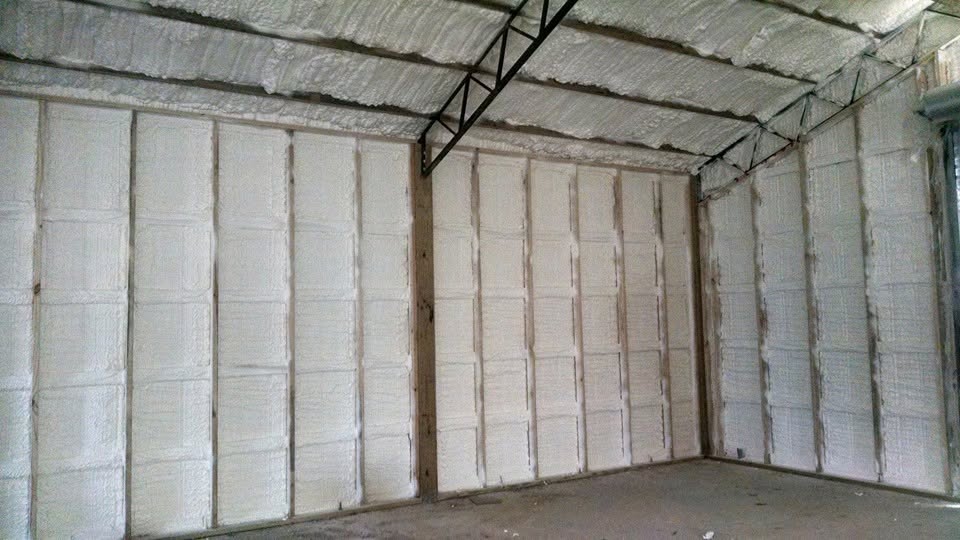
Spray Foam Insulation
Spray polyurethane foam comes in two types — open cell and closed cell — and both do something no other insulation can: they seal air leaks and insulate in one step. The foam expands into cracks and gaps as it goes on, so conditioned air stays in and muggy Panhandle air stays out. It packs the most insulating power into every inch of anything we install.
Best for
- Attic roof decks
- New-construction walls
- Rim joists
- Metal buildings
Honest tradeoffs
It's the premium option. And one thing most contractors won't mention: when foam covers a roof deck, some lenders and home inspectors ask questions at sale or re-roof time. We walk you through venting and inspection-access choices up front so there are no surprises.
Is spray foam worth it?
For attic roof decks and new construction, usually yes — it air-seals and insulates in one step, and the comfort difference is immediate. It costs more up front than any other option. We'll tell you honestly when blown-in gets you most of the benefit for less.
Is spray foam better than fiberglass?
It seals air leaks, which fiberglass can't do, and it packs more insulating power into every inch. Fiberglass wins on budget — it insulates well for a fraction of the cost when it's installed right. Which is better depends on your house and your budget, and we'll tell you which one we'd pick for yours.
Blown-In Insulation
Loose-fill fiberglass or cellulose blown into the attic through a hose — fast, even, and gap-free. It flows around joists, wires, and odd framing where batts leave voids, and it can be installed right over your existing insulation. For most Panhandle attics, it's the most cost-effective top-up there is.
Best for
- Attic floors
- Top-ups over existing insulation
- Older homes
- Budget retrofits
Honest tradeoffs
Blown-in doesn't air-seal by itself — that's why we seal penetrations around pipes, wires, and fixtures before the hose comes out. And loose fill settles slightly over time, so we account for that in the installed depth instead of blowing to the bare minimum.
Is blown-in better than batts?
In attics, usually — loose fill flows around joists, wires, and odd framing, so there are no gaps. Batts shine in open walls during construction or a remodel. We'll recommend whichever fits your house, not whichever we feel like selling.
Fiberglass or cellulose?
Both work well when they're installed to the right depth. Fiberglass resists moisture better — worth a lot in our humidity — while cellulose is denser. We recommend per house, not per preference.
Batt & Roll Insulation
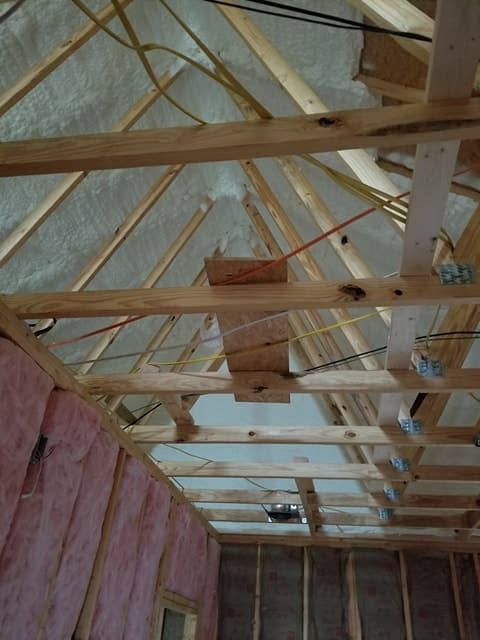
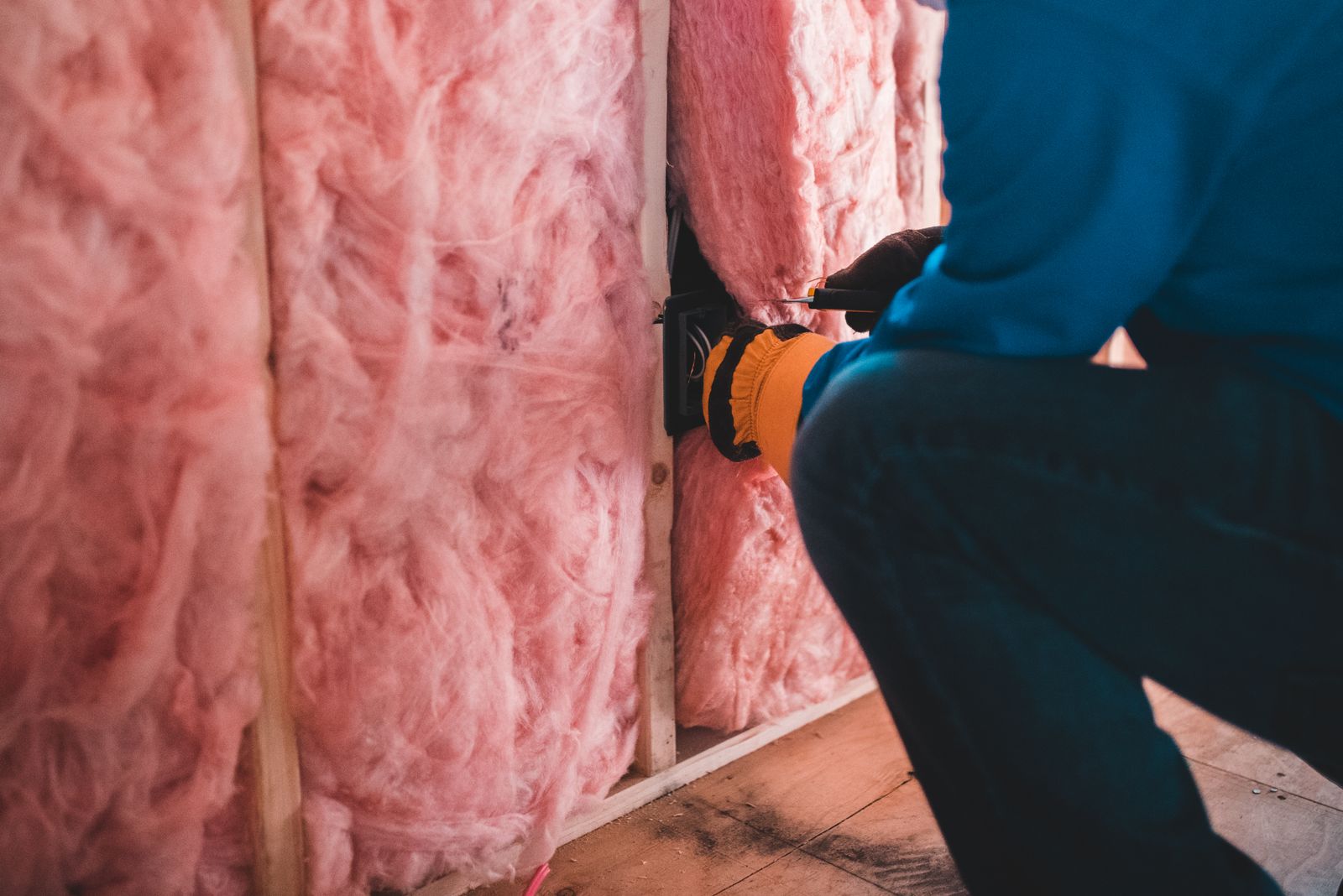
Fiberglass batts and rolls are the classic — pre-cut blankets of insulation fitted between studs and joists. In open walls, floors, garages, and new construction, they're dependable, predictable, and the most budget-friendly way to hit a target insulation level.
Best for
- Open walls
- Floors
- Garages
- New construction
Honest tradeoffs
Batt performance depends entirely on fit. A batt that's compressed, gapped, or stuffed around wiring underperforms its labeled rating — sometimes badly. That's why installation quality is the whole game, and why we cut around obstructions instead of cramming past them.
What's the difference between batts and rolls?
Same material, different packaging. Batts come pre-cut to standard stud and joist lengths; rolls are continuous and get cut on site, which suits long open runs. We use whichever produces the fewest seams and gaps in your framing.
Batt or spray foam?
Batts cost less than foam, and in an open wall they do the job well. Foam adds air sealing and more insulating power per inch, which matters most at roof decks and rim joists. For many projects the honest answer is batts in the walls and foam where sealing counts.
Radiant Barrier
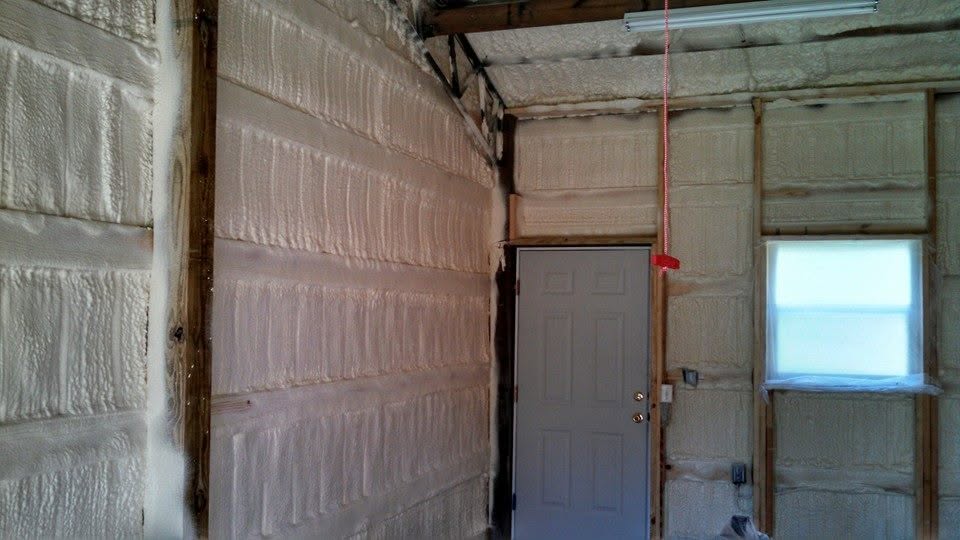
A radiant barrier is reflective foil installed under the roof deck that turns back radiant heat before it cooks your attic. In a Florida summer that means a meaningful drop in attic temperature — and less heat soaking into your ductwork and ceilings. It complements insulation; it never replaces it.
Best for
- Under the roof deck
- Attics with AC ductwork
- Florida summer heat
- Pairing with blown-in
Honest tradeoffs
It's a summer specialist. A radiant barrier does its best work when the sun is beating on the roof; in winter the effect is modest. And it only pays off if your insulation is up to par first — foil over a thin attic is polish on a problem.
Is a radiant barrier worth it?
In a cooling climate like ours, yes — especially when your AC ductwork runs through the attic, where every degree of attic temperature matters. It's one of the more affordable upgrades we install. We'll tell you if your money is better spent on insulation depth first.
Does a radiant barrier help in winter?
Its job is summer heat, and that's where it earns its keep. The winter effect is modest — nothing like the summer gain. If winter comfort is the problem, insulation depth and air sealing come first.
Insulation Removal
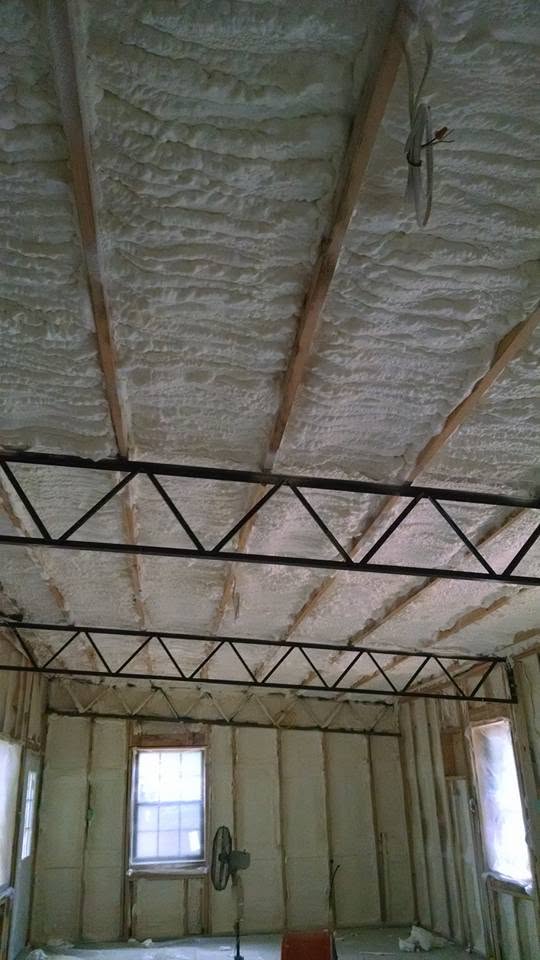
When insulation gets wet, moldy, or visited by pests, it stops working and starts causing problems. We remove it safely — vacuum-and-bag, sealed on the way out — and haul it off. Removal is the right call after water damage, rodent infestation, fire or smoke damage, during a renovation, or when prepping an attic for spray foam.
Best for
- Water-damaged insulation
- Pest & rodent damage
- Fire or smoke damage
- Renovation prep
- Before spray foam
Honest tradeoffs
Removal by itself doesn't save you a dime — it's step one, not the fix. And if your existing insulation is dry, clean, and pest-free, you may not need it at all: blowing new insulation over the old is cheaper and works fine. We'll tell you which situation you're in.
Do I have to remove old insulation before adding new?
Usually not. If it's dry, clean, and pest-free, we blow new insulation right over it. Removal earns its cost when the old material is wet, moldy, or contaminated — or when a roof deck is being prepped for spray foam.
What happens to the old insulation?
We vacuum it into sealed bags rather than dragging loose material through your house, then haul everything off the property. You're left with a clean attic, ready for whatever comes next.
Insulation Replacement
Replacement is the full job: tear out what's up there, fix what caused the damage, and re-insulate to today's standard. For many pre-1990 homes in Jackson County it's the biggest single efficiency upgrade available. The signs it's time: insulation 20+ years old, bills climbing year over year, uneven room temperatures, or past roof and plumbing leaks.
Best for
- Pre-1990 homes
- 20+ year-old insulation
- Homes with past leaks
- Uneven rooms & climbing bills
Honest tradeoffs
Replacement costs more than topping up, because you're paying for removal plus new material. If your existing insulation is healthy, a blown-in top-up gets you most of the benefit for less — we'll measure what's up there and tell you straight which job your attic actually needs.
How often should insulation be replaced?
Good insulation can last decades — but not if it's been wet, compressed, or visited by pests. If your home is 20+ years old and the bills keep climbing, it's worth having the attic measured. We check depth and condition for free.
Does attic insulation go bad?
It doesn't expire, but it does degrade. Moisture flattens it, pests contaminate it, and settling thins it out — and every one of those cuts its real performance below the label. A twenty-minute look in the attic tells us whether yours is still doing its job.
Where we insulate
Attic · Ceilings · Interior & exterior walls · Floors · Crawlspace · Garage · Roof deck
New construction or existing home — we assess your space and recommend the right material and installed depth for the Panhandle climate.
R-value at a glance
R-value measures how well a material resists heat — the higher the number, the more insulating power. Here is how the materials we install compare.
| Material | R-value |
|---|---|
| Closed-cell spray foam | ~R-6.5per inch |
| Open-cell spray foam | ~R-3.7per inch |
| Blown-in fiberglass / cellulose | to R-38installed attic depth |
| Batt & roll | R-30–R-38labeled rating |
| Radiant barrier | Adds nonereflects radiant heat |
Florida attic code calls for R-30 to R-38. Many older Jackson County attics measure R-11 or less — that gap is where the savings are.
From first call to install day
- 1
Call or send the form
You reach us, not a call center. Same or next business day, we set a time.
- 2
Free attic assessment
We measure what you have — depth, condition, air leaks — and show you photos of what we find.
- 3
A written, honest number
One clear number, material options explained, no pressure. The estimate is yours either way.
- 4
Install day
Most attics are done in a day. We clean up, haul off the mess, and you feel the difference the first hot afternoon.
A cooler house and a lower bill start with one call
Free attic assessment, a written and itemized number, and no pressure. Most estimates are a short drive from our Marianna shop.